
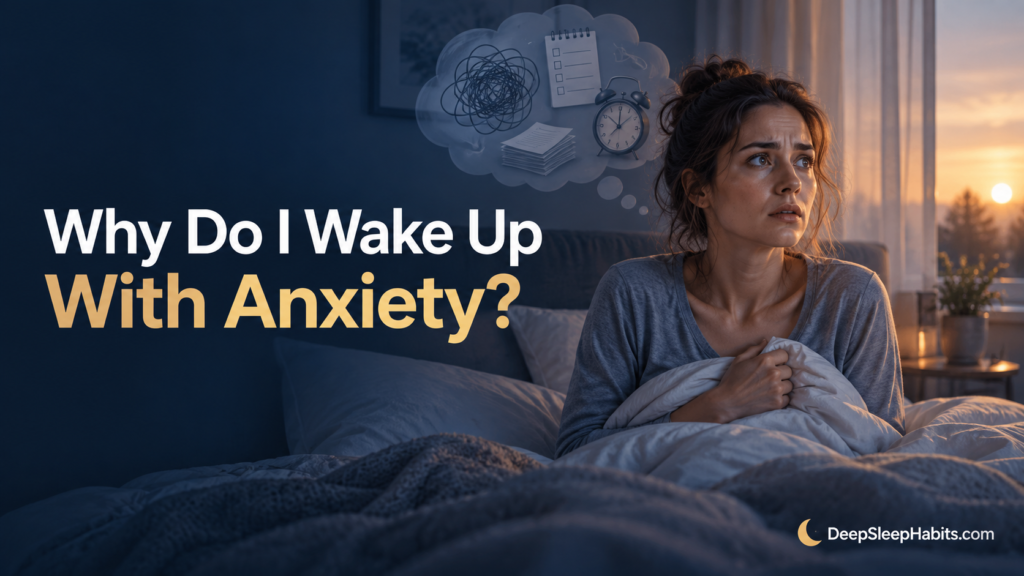
Waking up with anxiety at night can feel overwhelming. You go to bed feeling completely fine, only to suddenly wake up with a racing heart, tight chest, restless thoughts, or an unexplained sense of panic. In moments like these, falling back asleep can feel almost impossible.
If you’ve ever asked yourself, “Why do I wake up with anxiety at night?”, you’re certainly not alone. Nighttime anxiety is surprisingly common and can be triggered by stress, changes in stress hormones, poor sleep habits, or other factors that keep your nervous system more active while you sleep.
Looking for practical ways to sleep more peacefully? Download our Free Sleep Better Tonight Guide for science-backed tips that can help calm your mind, improve your sleep quality, and build healthier bedtime habits naturally.
Nighttime anxiety is also closely connected to other sleep problems. Some people wake up around 3 AM, while others experience frequent awakenings, wake up with a racing heart, or even wake up sweating during the night. Because these symptoms often occur together, understanding the underlying cause is the first step toward breaking the cycle.
In this guide, you’ll learn why you wake up with anxiety at night, the 7 most common causes, how to calm your mind when it happens, and practical ways to reduce nighttime anxiety so you can sleep more deeply and wake up feeling refreshed.
Quick Answer
Waking up with anxiety at night is usually caused by an overactive nervous system rather than a dangerous medical problem. Stress, anxiety, elevated cortisol levels, poor sleep habits, caffeine, alcohol, and other lifestyle or health factors can all make your brain more alert while you sleep. As a result, you may wake up with a racing heart, anxious thoughts, or a feeling of panic. Identifying the underlying cause is the first step toward sleeping more peacefully and reducing nighttime anxiety.
Why Do I Wake Up With Anxiety at Night?
Waking up with anxiety at night usually isn’t caused by the night itself. Instead, it’s often the result of changes taking place inside your body while you sleep. Your brain continues to process emotions, memories, and stress throughout the night, and sometimes this activity becomes strong enough to wake you up feeling anxious or on edge.
During healthy sleep, your nervous system gradually shifts into a more relaxed state. Your heart rate slows, your muscles relax, and stress hormone levels naturally decrease. However, if this balance is disrupted, your body may become more alert than it should be. This can cause you to wake up with a racing heart, anxious thoughts, chest tightness, or an overwhelming feeling that something is wrong—even when there’s no immediate danger.
Nighttime anxiety doesn’t always have a single cause. For some people, it’s triggered by everyday stress or poor sleep habits. For others, it may be linked to caffeine, blood sugar fluctuations, underlying anxiety disorders, or changes in stress hormones such as cortisol. Because several factors can work together, identifying the underlying cause is often the key to breaking the cycle.
The good news is that waking up with anxiety at night is usually manageable. By understanding what’s happening inside your body and making small changes to your sleep habits, many people notice significant improvements in both their sleep quality and their anxiety levels.
Below are the 7 most common causes of waking up with anxiety at night, starting with the least common and ending with the causes that affect the largest number of people.
1. Underlying Medical Conditions
Although waking up with anxiety at night is most often related to stress or lifestyle factors, certain underlying medical conditions can also contribute to nighttime anxiety. While this is one of the least common causes, it’s important to be aware of it—especially if your symptoms appear suddenly or continue without an obvious explanation.
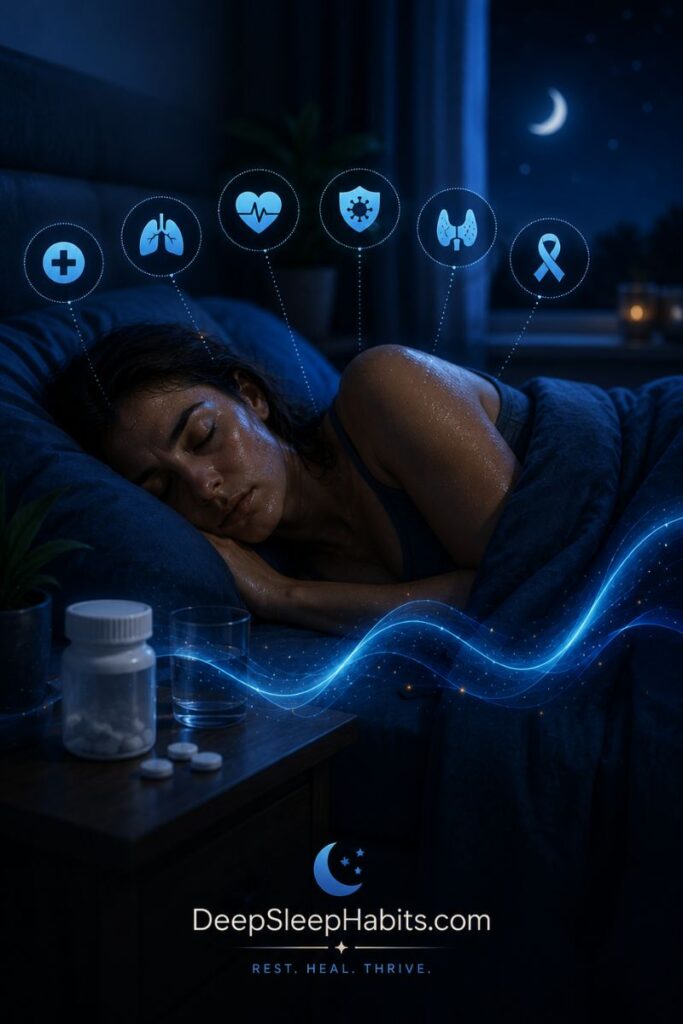
Several health conditions can activate your body’s stress response while you sleep. For example, an overactive thyroid (hyperthyroidism), sleep apnea, heart rhythm disorders, low blood sugar, and certain neurological conditions may cause your body to wake up feeling alert, anxious, or panicked. In these cases, the anxiety is often a symptom of the underlying condition rather than the primary problem itself.
Medical conditions may also trigger physical sensations that your brain interprets as danger. A racing heart, difficulty breathing, dizziness, or sudden changes in blood sugar can all activate your body’s natural “fight-or-flight” response, causing you to wake up with intense anxiety even if you weren’t having a stressful dream.
Fortunately, these causes are relatively uncommon. For most people, waking up with anxiety at night is linked to everyday factors such as stress, poor sleep habits, or an overactive nervous system. However, if your nighttime anxiety is becoming more frequent, is accompanied by chest pain, fainting, unexplained weight loss, or persistent shortness of breath, it’s important to speak with your healthcare provider for a proper evaluation.
Quick Tip
If you regularly wake up with anxiety and also experience symptoms such as chest pain, severe shortness of breath, unexplained weight loss, or frequent dizziness, schedule an appointment with your healthcare provider to rule out any underlying medical conditions.
2. Certain Medications
Certain medications can contribute to waking up with anxiety at night, even if you don’t normally struggle with anxious thoughts. While this isn’t one of the most common causes, some medications may affect your brain, nervous system, or hormone levels in ways that make nighttime anxiety more likely.

Medications such as certain antidepressants, corticosteroids, thyroid medications, asthma inhalers, stimulants, and some decongestants can increase alertness or stimulate the nervous system. In some people, these effects become more noticeable during the night, leading to symptoms such as a racing heart, restlessness, vivid dreams, or waking up with a sudden feeling of anxiety.
The timing of your symptoms can provide useful clues. If your nighttime anxiety started shortly after beginning a new medication or increasing the dosage, it’s worth discussing this with your healthcare provider. Never stop taking prescribed medication without medical advice, but your doctor may be able to adjust your treatment or recommend an alternative if medication appears to be contributing to your symptoms.
It’s also important to remember that not everyone experiences medication-related anxiety. Many people take these medications without any sleep problems at all. However, recognizing the connection between your medication and your symptoms can help you better understand what’s happening and find the most appropriate solution.
Quick Tip
If your nighttime anxiety began after starting a new medication or changing your dosage, keep a simple journal of your symptoms and discuss them with your doctor or pharmacist before making any changes to your medication.
3. Blood Sugar Fluctuations
Although it’s less common than stress or poor sleep habits, changes in your blood sugar levels can sometimes cause you to wake up with anxiety during the night. When your blood sugar drops too low while you’re sleeping, your body reacts by releasing stress hormones to bring it back up.

This natural response involves hormones such as adrenaline and cortisol, which quickly increase blood sugar levels to provide your brain with enough energy. While this process is essential, it can also trigger symptoms that feel very similar to anxiety. You may suddenly wake up with a racing heart, sweating, trembling, dizziness, or an overwhelming feeling that something is wrong.
Blood sugar fluctuations are more likely in people with diabetes, but they can also occur after skipping meals, drinking alcohol on an empty stomach, or eating large amounts of sugary foods before bed. Not everyone who experiences nighttime anxiety has blood sugar problems, but it’s one possible factor worth considering if your symptoms seem to occur under these circumstances.
If you regularly wake up feeling anxious, shaky, hungry, or sweaty during the night, keeping a simple record of your evening meals and symptoms may help you identify a pattern. If you suspect blood sugar fluctuations are contributing to your nighttime anxiety, speak with your healthcare provider for proper evaluation and guidance.
Quick Tip
Avoid going to bed extremely hungry or after consuming large amounts of sugary foods or alcohol. Eating a balanced evening meal may help keep your blood sugar more stable throughout the night.
4. Caffeine and Alcohol
Caffeine and alcohol can both increase the likelihood of waking up with anxiety during the night, even though they affect your body in different ways. If you regularly consume coffee, energy drinks, alcohol, or other stimulants in the evening, they may be contributing to your nighttime symptoms without you realizing it.
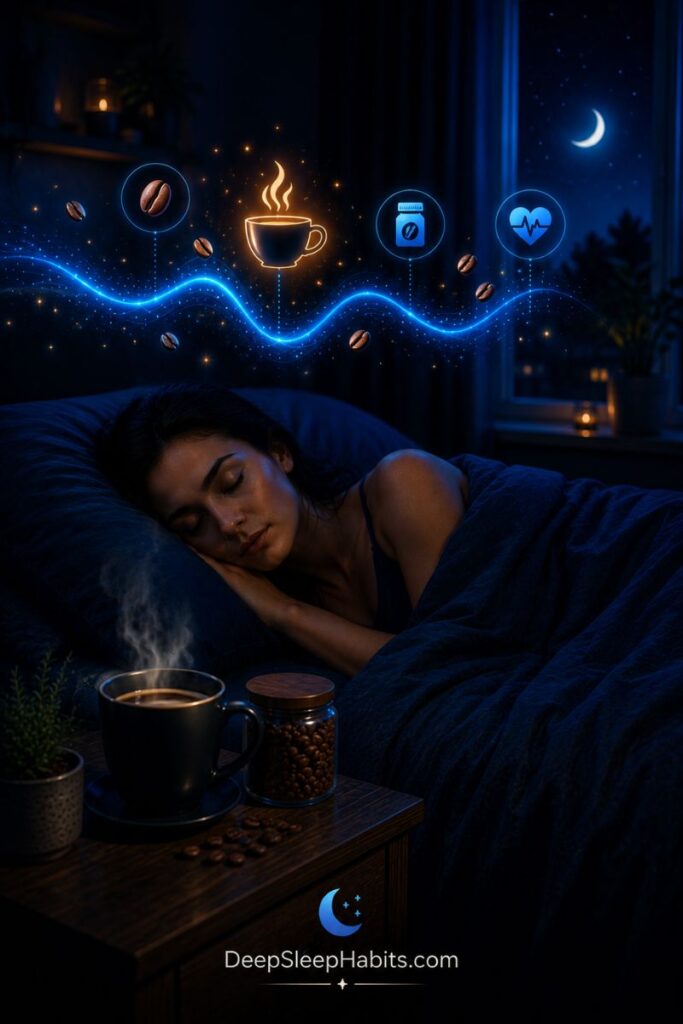
Caffeine is a stimulant that blocks adenosine, a chemical that helps your brain feel sleepy. Even if you fall asleep easily, caffeine can remain in your system for several hours and make your sleep lighter and more fragmented. This makes you more likely to wake up during the night with a racing mind or feelings of anxiety.
Alcohol has the opposite effect at first—it may help you fall asleep faster. However, as your body metabolizes alcohol during the night, your sleep becomes less stable. This can lead to frequent awakenings, increased heart rate, vivid dreams, sweating, and anxious feelings during the second half of the night.
Everyone processes caffeine and alcohol differently, so some people are more sensitive than others. If you often wake up anxious after drinking coffee late in the day or having alcohol in the evening, reducing your intake or avoiding both several hours before bedtime may noticeably improve your sleep quality.
For long-term improvement, focus on building healthy evening habits that support deep, uninterrupted sleep rather than relying on stimulants or alcohol to manage your energy levels or help you unwind.
Quick Tip
Try avoiding caffeine for at least 6–8 hours before bedtime and limit alcohol in the evening. Even small changes to your evening routine can reduce nighttime awakenings and help your body stay relaxed throughout the night.
If you’re looking for more healthy bedtime habits, read our guide on Sleep Better Naturally for practical tips to improve your sleep quality
5. Poor Sleep Habits
Poor sleep habits are one of the most common reasons people wake up with anxiety during the night. Even if you don’t consider yourself an anxious person, an inconsistent sleep routine can make your nervous system more sensitive and increase the likelihood of waking up feeling alert, restless, or worried.
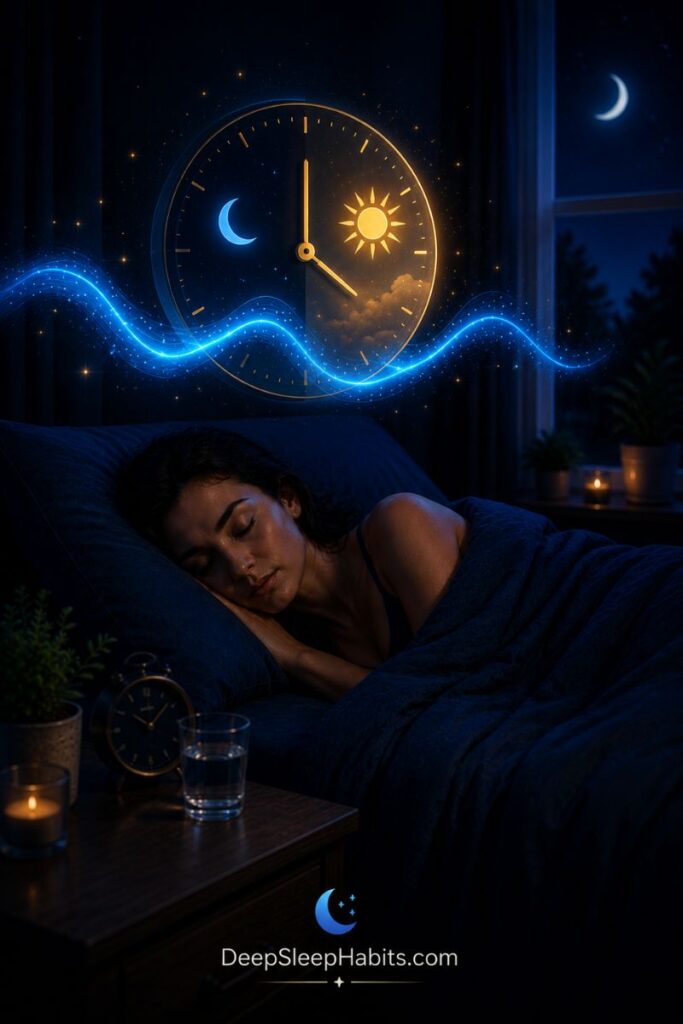
Poor sleep habits are one of the most common reasons people wake up with anxiety during the night. Even if you don’t consider yourself an anxious person, an inconsistent sleep routine can make your nervous system more sensitive and increase the likelihood of waking up feeling alert, restless, or worried.
Screen time before bed can make the problem even worse. The blue light emitted by phones, tablets, and laptops suppresses melatonin—the hormone that helps prepare your body for sleep. At the same time, scrolling through emails, social media, or stressful news can keep your brain mentally active long after you’ve put your device down. Instead of entering a calm, restorative sleep, your nervous system remains on high alert, making it easier to wake up with anxious thoughts during the night.
Poor sleep habits can also reduce the amount of deep sleep your body gets. Since deep sleep plays an essential role in physical recovery, emotional regulation, and nervous system balance, not getting enough of it may leave you feeling more vulnerable to stress and anxiety. Over time, this can create a cycle where poor sleep increases anxiety, and anxiety makes it even harder to sleep well.
Learn more about why deep sleep is so important in our guide on What Is Deep Sleep?
The good news is that improving your sleep habits often leads to noticeable improvements within just a few weeks. Following a consistent bedtime, reducing screen time before bed, and creating a relaxing evening routine can help your body feel safer, calmer, and better prepared for uninterrupted sleep.
Quick Tip
Go to bed and wake up at the same time every day—even on weekends. Pair this with a screen-free bedtime routine during the last 30–60 minutes before sleep to help your brain naturally prepare for a deeper, more restful night.
6. High Cortisol Levels
High cortisol levels can be one of the biggest reasons you wake up with anxiety during the night. Cortisol is often called the “stress hormone,” but it plays an essential role in your body’s natural sleep-wake cycle. Under normal circumstances, cortisol remains relatively low during the night and gradually begins to rise in the early morning, helping you wake up feeling alert and ready for the day.

However, chronic stress, anxiety, poor sleep, or an irregular sleep schedule can disrupt this natural rhythm. Instead of remaining low while you sleep, cortisol levels may rise too early or stay elevated throughout the night. When this happens, your nervous system becomes more alert than it should be, making it easier to wake up with a racing heart, anxious thoughts, or a sudden feeling of panic.
Many people notice that these awakenings happen around 3AM or 4AM. At this time of night, your body naturally begins preparing for the transition toward morning. If cortisol levels are already elevated because of ongoing stress, this normal hormonal shift can become strong enough to wake you unexpectedly. Instead of drifting back to sleep, your brain may immediately become filled with worries, overthinking, or a sense that something is wrong.
If you regularly wake up several times throughout the night, our complete guide on Why Do I Wake Up Multiple Times at Night? explains the most common reasons behind repeated awakenings and how to improve your sleep.
High cortisol doesn’t always develop overnight. Ongoing work stress, emotional pressure, lack of recovery, poor sleep habits, and even excessive caffeine intake can gradually keep your body’s stress response activated. Over time, this may create a cycle where stress disrupts your sleep, and poor sleep further increases cortisol levels the following day.
Fortunately, cortisol levels often improve when you consistently support your body’s natural rhythm. A regular sleep schedule, daily exercise, exposure to morning daylight, relaxation techniques, and limiting stimulating activities before bed can all help restore a healthier balance between stress and recovery.
Quick Tip
Support your body’s natural cortisol rhythm by maintaining a consistent sleep schedule, getting natural daylight soon after waking, and creating a relaxing bedtime routine that helps your nervous system gradually slow down before sleep.
7. Stress and Anxiety
Stress and anxiety are the most common reasons people wake up feeling anxious during the night. Even if you don’t feel particularly stressed before going to bed, your brain continues processing emotions, memories, and worries while you sleep. Sometimes this ongoing activity is enough to activate your body’s stress response, causing you to wake up suddenly with anxious thoughts, a racing heart, or an overwhelming feeling that something is wrong.

When you’re under chronic stress, your nervous system spends more time in a heightened state of alertness. Instead of fully relaxing during sleep, your brain remains more sensitive to internal and external signals. Small changes in breathing, heart rate, or hormone levels that would normally go unnoticed may suddenly wake you up, making it difficult to fall asleep again.
Nighttime anxiety often creates a frustrating cycle. Stress makes it harder to sleep deeply, while poor sleep makes your brain more reactive to stress the following day. Over time, this cycle can leave you feeling constantly tired, emotionally overwhelmed, and more likely to experience anxiety during the night.
Many people also notice that waking up with anxiety is accompanied by other symptoms. You may wake up with a racing heart, start sweating during the night, or find yourself waking up multiple times without understanding why. Others notice that they can’t switch their brain off once they’re awake, causing anxious thoughts to spiral until morning. Because these symptoms are closely connected, improving your overall sleep quality often helps reduce several of them at the same time.
The good news is that nighttime anxiety can usually be improved. Managing stress during the day, following a consistent bedtime routine, reducing screen time before bed, and practicing relaxation techniques can all help calm your nervous system. Over time, these healthy habits teach your brain that bedtime is a safe time to rest instead of remaining on high alert.
If your nighttime anxiety becomes frequent, begins affecting your daily life, or is accompanied by panic attacks or severe distress, don’t hesitate to seek support from your healthcare provider or a qualified mental health professional. Anxiety is treatable, and many people notice significant improvements once they understand the underlying cause and receive the right support.
Quick Tip
Create a calming bedtime routine that helps your mind gradually slow down before sleep. Reading a book, practicing deep breathing, journaling, or listening to relaxing music can signal to your nervous system that it’s safe to rest.
How To Stop Waking Up With Anxiety At Night
If you regularly wake up with anxiety during the night, the good news is that there are several practical steps you can take to calm your nervous system and improve your sleep. While the right solution depends on the underlying cause, small changes to your daily routine can often make a significant difference over time.
Start by creating a consistent sleep schedule. Going to bed and waking up at the same time every day helps regulate your body’s internal clock and supports a healthier balance of sleep hormones. Your brain thrives on routine, and consistency makes it easier to stay asleep throughout the night.
Your evening routine is just as important. During the last hour before bed, avoid stimulating activities such as checking emails, scrolling through social media, or watching stressful news. Instead, choose relaxing activities like reading, gentle stretching, meditation, or deep breathing exercises. These habits help shift your nervous system from a state of alertness into one that’s ready for restful sleep.
Your sleeping environment also matters. Keep your bedroom cool, dark, and quiet, and make your bed a place that’s associated with relaxation rather than work or screen time. Even small changes, such as reducing light exposure or using breathable bedding, can improve sleep quality and reduce nighttime awakenings.
Managing stress during the day is equally important. Regular physical activity, spending time outdoors, journaling, and practicing mindfulness can all lower your overall stress levels, making it less likely that your brain will remain overactive during the night.
Most importantly, remember that occasional nighttime anxiety is common and usually improves with healthy sleep habits and stress management. If your symptoms persist or continue affecting your daily life, don’t hesitate to seek professional support. Anxiety is highly treatable, and many people notice significant improvements once they address the underlying cause.
When Should You See a Doctor?
Occasionally waking up with anxiety at night is common and is often linked to stress, poor sleep habits, or temporary lifestyle factors. In many cases, improving your sleep routine and managing stress can significantly reduce nighttime anxiety.
However, you should consider speaking with your healthcare provider if your nighttime anxiety:
- happens frequently or continues for several weeks.
- regularly prevents you from falling back asleep.
- is accompanied by chest pain, severe shortness of breath, or fainting.
- occurs alongside unexplained weight loss, persistent fatigue, or other unusual symptoms.
- begins shortly after starting a new medication or changing your dosage.
- starts affecting your daily life, work, or overall well-being.
Your healthcare provider can evaluate whether an underlying medical condition, medication, hormone imbalance, or anxiety disorder may be contributing to your symptoms. Depending on your situation, they may recommend lifestyle changes, further testing, or treatment options to help improve both your sleep and your overall health.
Remember that waking up with anxiety at night does not automatically mean something is seriously wrong. For many people, it’s a temporary problem that improves once the underlying cause is identified and addressed. Seeking professional advice is simply the best way to rule out medical conditions and receive the right support if your symptoms continue.
FAQ About Waking Up With Anxiety at Night
Why Do I Wake Up With Anxiety at Night?
Waking with anxiety may happen when stress keeps your nervous system more alert during sleep. Caffeine, alcohol, upsetting dreams, irregular sleep, certain medications, and physical symptoms can also trigger an anxious response. Sometimes you notice the anxiety first even though another sensation—such as overheating, difficulty breathing, or a racing heartbeat—woke you. Track when it happens and any accompanying symptoms to help identify a pattern.
Why Do I Wake Up With Anxiety Around 3AM?
Waking around 3AM does not have one special or universal meaning. Sleep naturally becomes lighter at different points during the night, making you more likely to notice stress, sounds, discomfort, or anxious thoughts. Once awake, checking the clock and worrying about the remaining sleep can increase alertness. Frequent 3AM awakenings may also relate to habits, your sleep environment, medications, or a sleep condition.
Why Do I Wake Up With a Racing Heart and Anxiety?
Anxiety can activate your stress response and cause a fast or pounding heartbeat, sweating, trembling, or rapid breathing. However, waking with a racing heart is not always caused by anxiety. Caffeine, alcohol, nightmares, medication effects, sleep apnea, and heart rhythm problems may produce similar symptoms. Seek urgent medical help if it occurs with chest pain, fainting, severe breathing difficulty, or other intense or unfamiliar symptoms.
How Can I Stop Waking Up With Anxiety at Night?
Create a consistent wind-down routine and reduce caffeine, alcohol, bright screens, and stimulating activities before bed. If you wake anxious, avoid repeatedly checking the time. Try slow breathing, relax your muscles, and remind yourself that the sensation can pass. Keeping a sleep and symptom diary may reveal patterns. If nighttime anxiety continues, professional support can help address both the anxiety and possible sleep-related causes.
When Should I Seek Medical Help for Nighttime Anxiety?
Speak with a healthcare professional if you regularly wake with anxiety for several weeks, the episodes become more severe, or they affect your sleep and daily functioning. Arrange an evaluation if symptoms include repeated breathing problems, a racing or irregular heartbeat, unexplained weight changes, or medication-related concerns. Seek urgent help for chest pain, fainting, severe shortness of breath, or thoughts of harming yourself.
Final Thoughts
Waking up with anxiety at night can be frightening, especially when it seems to happen without warning. The reassuring news is that, for most people, nighttime anxiety is closely linked to stress, sleep habits, hormone changes, or other manageable lifestyle factors rather than a serious medical condition.
Understanding what triggers your nighttime anxiety is the first step toward breaking the cycle. By improving your sleep routine, managing stress, and supporting your body’s natural sleep-wake rhythm, you can often reduce nighttime awakenings and begin sleeping more peacefully.
If your symptoms continue despite making healthy changes—or if they’re accompanied by unusual or severe symptoms—don’t hesitate to speak with your healthcare provider. Getting the right support can make a significant difference to both your sleep quality and your overall well-being.
If you’re ready to build healthier sleep habits, be sure to download our Free Sleep Better Tonight Guide. Inside, you’ll find practical, science-backed tips to help you calm your mind, sleep more deeply, and wake up feeling refreshed.