

If you`re a light sleeper, you may find yourself
waking up from the smallest sounds, movements,
or changes in temperature throughout the night.
While some people can sleep through almost anything,
a light sleeper often feels constantly aware of their
surroundings, even while asleep.
This can be frustrating when you`re trying to get
the deep, restorative sleep your body needs.
You might wake up several times during the night,
struggle to fall back asleep, or feel exhausted in
the morning despite spending enough time in bed.
The good news is that being a light sleeper
doesn`t always mean something is wrong.
Factors such as stress, anxiety, genetics, sleep
habits, caffeine intake, and even your sleeping
environment can all affect how deeply you
sleep.
In this article, we`ll explore the most common
reasons why you may be such a light sleeper,
the signs to look for, and practical tips that can
help enjoy deeper, more restful sleep.
Want better sleep tonight?
Download my Free Sleep Better Tonight Guide
and discover simple, practical tips that can help
you fall asleep faster, reduce nighttime
wake-ups, and wake up feeling more refreshed.
What Is A Light Sleeper?
A light sleeper is someone who wake up more
easily than the average person. While everyone
experiences brief awakenings during the night, a
light sleeper is more likely to notice sounds,
movement, light, temperature changes, or other
disturbances that most people would sleep
through.
Being a light sleeper doesn`t necessarily mean
you`re getting poor-quality sleep. However,
frequent interruptions can make it harder to
reach and maintain the deeper stager of sleep
that help your body and mind recover.
Many light sleepers describe themselves as
being “always alert” at night. They may wake up
when a partner moves, a door closes, a pet
jumps on the bed, or a car passes outside. Over
time, these repeated disruptions can lead to
daytime fatigue, irritability, difficulty
concentrating, and the feeling that sleep is never
truly restful.
While some people are naturally more sensitve
sleepers, others become light sleepers because
of stress, anxiety, lifestyle habits, or
environment factors. Understanding the cause
is the first step toward improving your sleep
quality.

Why Am I Such A Light Sleeper?
There isn`t always one simple answer. In many
cases, several factors work together to make
you a light sleeper. Stress, anxiety, caffeine,
sleep habits, your sleeping environment, and
even genetics can all influence how deeply you
sleep.
Below are some of the most common reasons
why you may wke up easily and struggle to
stay asleep throughout the night.
1. Stress And Anxiety Can Keep Your Brain
On Alert
One of the most common reasons people
become light sleepers is stress and anxiety.
When your brain is under pressure, it may remain
in a heightened state of alertness, even while
you`re asleep.
Normally, your body is supposed to relax and
feel safe during the night. However, ongoing
stress can make your nervosu system more
sensitive to sounds, movement, and other
disturbances. As a result, you may find yourself
waking up more easily than usual.
Many light sleepers describe feeling as though
they are “always listening” while they sleep. Even
small noises, such as a car passing outside, a
partner turning over in bed, or a pet moving
around in the room, can be enough to wake them
up.
Anxiety can have a similair effect. When your
mind is busy worrying or overthinking, it may
become harder to fully switch off. This can
prevent you from reaching deeper stages of
sleep and make you more likely to wake up
throughout the night.
If you often struggle with racing thoughts,
nighttime anxiety, or difficulty relaxing before
bed, stress may be playing a significant role in
why you are such a light sleeper.
2. Your Genetics May Play A Role
If you`ve always been a light sleeper, your
genetics could be part of the reason.
Research suggests that some people are
naturally more sensitive to their surroundings
while they sleep. Just as people differ in
personality, energy levels, and stress responses,
they can also differ in hoe deeply they sleep.
For example, one person may sleep through
thunderstorms, barking dogs, and loud traffic
without waking up, while another wakes up at
the slightest sound. This doesn`t necessarily
mean something is wrong. It may simply reflect
differences in how the brain processes external
stimuli during sleep.
Some studies have found that light sleepers
tend to show more brain activity in response to
sounds and other disturbances compared to
deep sleepers. As a result, they may be more
likely to wake up when something changes in
their environment.
While genetics cannot be changed,
understanding that your sleep patterns may be
partly inherited can help explain why you`ve
always struggled to sleep as deeply as other
people. The good news is that healthy sleep
habtis and a supportive sleep environment can
still make a significant difference.
3. Your Sleep Environment May Be Disrupting Your
Sleep
Even if you are naturally a light sleeper, your
sleep environment can make the problem much
worse.
Your brain continues to monitor your
surroundings while you sleep. As a result, things
like noise, light, temperature changes, and
movement can easily interrupt your sleep and
cause frequent awakenings throughout the
night.
Common sleep disruptors include traffic noise, a
snoring partner, pets moving around the room,
bright streetlights, and electronic devices that
emit lights. Even small disturbances that you do
not fully remember the next morning can reduce
your overall sleep quality.
Temperature also plays an important role. A
bedroom that is too hot or too cool can make it
harder to stay asleep. Many people find
themselves waking up more often during warm
summer nights because their body struggles to
regulate its temperature.
If you are a light sleeper, creating a calm and
comfortable sleep environment can make a
noticeable difference. Reducing noise, blocking
out excess light, keeping your bedroom cool,
and maintaining a consistent sleep routine may
help you sleep more deeply and wake up less
often during the night.
4. Caffeine And Alcohol Can Affect Sleep Quality
What you consume during the day can have a
bigger impact on your sleep than you might
realize.
Caffeine is a stimulant that helps you feel more
alert, but it can also make it harder for your body
to fully relax at night. Even if you fall asleep
without difficulty, caffeine may reduce the
amount of deep sleep you get and increase the
likelihood of waking up throughout the night.
Many people are surprised to learn that caffeine
can remain in the body for several hours.
Depending on your sensitivity, an afternoon
coffee, energy drink, or caffeinated soft drink
may still affect your sleep later that night.
Alcohol can also interfere with sleep quality.
While it may initially make you feel sleepy, it
often disrupts the deeper stages of sleep and
can lead to more frequent awakenings during
the night.
As a result, both caffeine and alcohol may
contribute to lighter, less restorative sleep. If you
regularly wake up from small noises or struggle
to stay asleep, it may be worth paying attention
to how these substances affect your sleep
patterns.
5. Overthinking Can Make You A Light Sleeper
If your mind rarely slows down, it may be
contributing to your light sleeping habits.
Many people who consider themselves light
sleepers also describe themselves as
overthinkers. They may spend time replaying
conversations, worrying about the future,
creating to-do lists in their head, or thinking
about problems long after the day has ended.
When your brain remains mentally active, it can
become more difficult to fully relax during sleep.
Instead of settling into deeper stages of sleep,
your mind may stay more alert to sounds,
movement, and other disturbances throughout
the night.
Overthinking can also increase stress and
anxiety levels, which may further affect sleep
quality. As a result, you may wake up more
easily, experience more nighttime awakenings
or struggle to fall back asleep after waking up.
If you often find yourself lying awake with racing
thoughts or waking up feeling mentally
exhausted, overthinking may be one of the
reasons you are such a light sleeper.
Learning how to calm your mind before bed can help
create the conditions needed for deeper, more
restful sleep.
6. Hormonal Changes Can Influence Sleep Depth
Hormones play an important role in regulating
sleep, and changes in hormone levels can affect
how deeply you sleep throughout the night.
For women in particular, hormonal fluctuations
during the menstrual cycle, pregnancy,
perimenopause, and menopause can make
sleep feels lighter and more easily disrupted.
Some women notice that they wake up more
often, become more sensitive to noise, or
struggle to stay asleep during certain phases of
their cycle.
Stress hormones can also influence sleep
quality. Elevated cortisol levels, especially in the
evening, may make it harder for the body to fully
relax and enter deeper stages of sleep. As a
result, you may wake up more easily during the
night and feel less rested in the morning.
Even when hormonal changes are temporary,
they can have a noticeable impact on sleep
depth and overall sleep quality. If you`ve recently
noticed changes in your sleeping patterns,
hormones may be one factor worth considering.
While hormonal fluctuations cannot always be
avoided, maintaining healthy sleep habits and
managing stress levels may help reduce their
impact on your sleep.
7. Poor Sleep Habits May Be Making Things Worse
Even if you are naturally a light sleeper, certain
sleep habits can make the problem worse.
Many people unknowingly disrupt their sleep by
following inconsistent schedules, using
electronic devices late at night, consuming
caffeine too late in the day, or spending too
much time in bed while awake.
When your sleep schedule constantly changes,
your body may struggle to maintain a healthy
sleep-wake cycle. This can make it harder to fall
asleep, stay asleep, and reach the deeper stages
of sleep that help you feel rested.
Screen time before bed can also be a problem.
The light emitted from phones, tablets, and
computers may interfere with your body`s
natural production of melatonin, the hormone
that helps regulate sleep.
In addition, habits such as checking the time
during the night, scrolling on your phone after
waking up, worrying about how much sleep
you`re getting can make you more aware of
every small interruption.
While poor sleep habits may not be the sole
reason you are a light sleeper, improving your
sleep routine can often lead to noticeable
improvements in sleep quality over time.
Signs You May Be A Light Sleeper
Not everyone experiences light sleep in the
same way. However, there are several common
signs that may indicate you are a light sleeper.
You Wake Up From Small Noises
One of the most common signs of being a light
sleeper is waking up from sounds that most
people would sleep through. A car passing
outside, a creaking floorboard, or a partner
moving in bed may be enough to wake you up.
You Wake Up Multiple Times During The
Night
Light sleepers often experience frequent
awakenings throughout the night. Even if these
awakenings are brief, they can make sleep feel
less refreshing and more fragmented.
You Struggle To Fall Back Asleep
After waking up, many light sleepers find it
difficult to return to sleep. Instead of drifting
back off quickly, they may spend time thinking,
worrying, or becoming frustrated about being
awake.
You Feel Tired Despite Sleeping Enough
Hours
Spending eight hours in bed does not always
guarantee quality sleep. Because light sleepers
may spend less time in deeper stages of sleep,
they can still wake up feeling tired or
unrefreshed.
You Are Sensitive To Light, Movement, Or
Temperature Changes
Many light sleepers notice that even small
changes in their environment affect their sleep.
Light from outside, a change in room
temperature, or movement nearby can easily
interrupt their rest.
You Rarely Feel Fully Rested In The
Morning
If you frequently wake up feeling like you never
truly slept deeply, it may be a sign that your
sleep is being disrupted more often than you
realize.
How To Sleep More Deeply
If you`re a light sleeper, the goal isn`t necessarily
to sleep longer. Instead it`s to improve the
quality of your sleep and reduce the number of
interruptions you experience throughout the
night.
The following strategies may help you sleep
more deeply and wake up feeling more
refreshed.
Create A Consisten Sleep Schedule
Going to bed and waking up at the same time
each day helps regulate your body`s internal
clock. A consistent sleep schedule can make it
easier to fall asleep, stay asleep, and achieve
deeper stages of sleep.
Keep Your Bedroom Cool And Comfortable
Your sleep environment has a significant impact
on sleep quality. Most people sleep best in a
cool, dark, and quiet room. If your bedroom is
too warm, too bright, or too noisy, you may be
more likely to wake up during the night.
Limit Caffeine Later In The Day
Because caffeine can stay in your system for
several hours, consuming it late in the afternoon
or evening may affect how deeply you sleep. If
you`re a light sleeper, reducing caffeine intake
later in the may be beneficial.
Develop A Relaxing Bedtime Routine
Creating a calming routine before bed can help
signal to your brain that it`s time to sleep.
Reading, stretching listening to relaxing music,
or practicing deep breathing exercises may help
you unwind and prepare for restful sleep.
Manage Stress And Anxiety
Since stress and anxiety are common causes of
light sleeping, finding healthy ways to manage
them can improve sleep quality. Journaling,
meditation, mindfulness, or simply setting aside
time to relax may help calm an overactive mind.
Reduce Light And Noise Distractions
Blackout curtains, earplugs, white noise
machines, or a fan may help reduce disruptions
while you sleep. Even small improvements to
your sleep environment can make a noticeable
different over time.
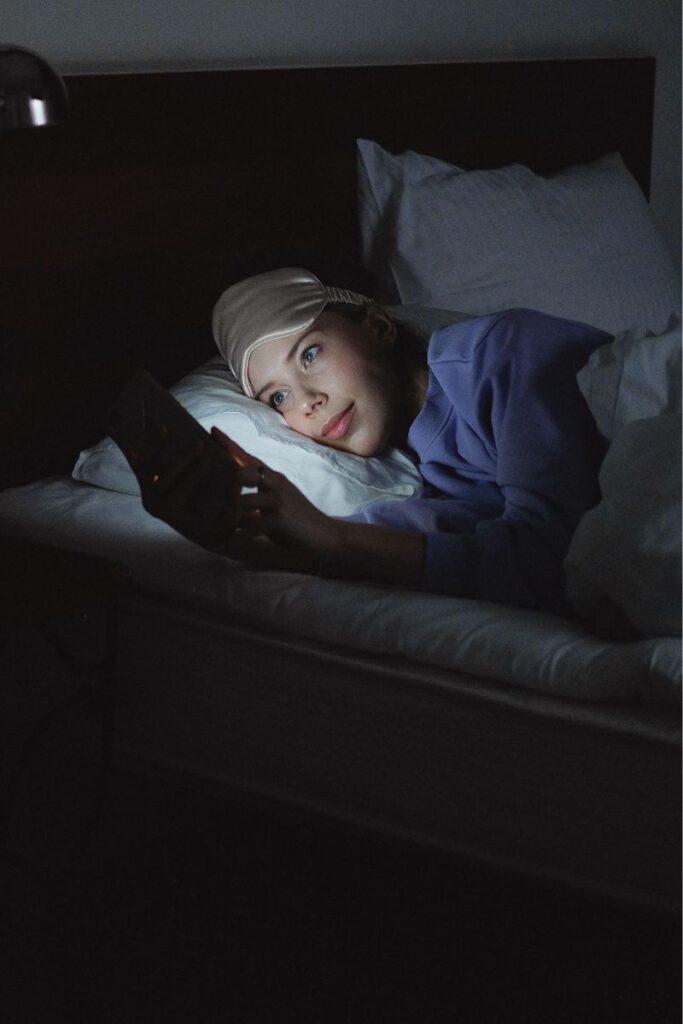
Avoid Checking Your Phone During The
Night
If you wake up during the night, try to avoid
reaching for your phone. Checking notifications,
reading messages, or scrolling through social
media can make it harder to fall back asleep and
may increase mental alertness when your body
should be resting.
FAQ
Is Being A Light Sleeper Normal?
Yes, many people are naturally light sleepers.
While some people are more sensitive to noise,
movement, or environmental changes, being a
light sleeper does not automatically indicate a
sleep disorder.
Can Stress Make You A Light Sleeper?
Yes. Stress and anxiety can keep your nervous
system in a more alert state, making it easier to
wake up from small disturbances during the
night.
Can You Train Yourself To Sleep More
Deeply?
While you cannot completely change your
natural sleep tendencies, healthy sleep habits,
stress management, and an improved sleep
environment may help you sleep more deeply
over time.
Why Do I Wake Up From Every Little
Noise?
Light sleepers tend to be more sensitive to
sounds during sleep. Stress, anxiety, poor sleep
quality, and environmental factors can all
contribute to increased sensitivity to noise.
Is Being A Light Sleeper Genetic?
Research suggests that genetics may play a role
in how deeply a person sleeps. Some people
maturally appear to be more sensitive to external
disturbances than others.
When Should I Be Concerned About Light
Sleeping?
If your sleep is regularly interrupted, leaves you
feeling exhausted, affects your daily life, or is
accompanied by symptoms such as breathing
problems, severe insomnia, or excessive
daytime fatigue, it may be worth discussing your
concerns with a healthcare professional.
When To See A Doctor
Being a light sleeper is usually not a cause for
concern. However, if your sleep problems are
affecting your daily life, causing excessive
daytime fatigue, or making it difficult to function
normally, it may be worth speaking with a
healthcare professional.
You should also consider seeking medical
advice if your sleep disturbances are
accompanied by symptoms such as loud
snoring, breathing difficulties during sleep,
frequent gasping for air, or persistent insomnia.
Final Thoughts
If you`ve ever wondered. “Why am I such a light
sleeper?”, you`re certainly not alone. Many
factors can contribute to lighter sleep, including
stress, anxierty, genetics, lifestyle habits, and
your sleep environment.
While some people are naturally more sensitive
sleepers than others, there are still steps you
can take to improve your sleep quality and
reduce nighttime disruptions. Small changes to
levels can often make a noticeable difference
over time.
The key is to focus on progress rather than
perfection. By understanding what may be
contributing to your light sleep and making
gradual improvements, you can create the
conditions for deeper, more restorative sleep.