
If you struggle to sleep in hot weather, you’re not alone. Many people find it harder to fall asleep and stay asleep when temperatures remain high during the evening and overnight. When your body can’t cool down properly, it becomes more difficult to relax and move into the deeper stages of sleep.
If your sleep keeps getting disrupted by heat, your body may simply be struggling to regulate its core temperature. Fortunately, a few simple changes to your bedtime routine and sleep environment can make a noticeable difference.
You can start improving your sleep tonight with our free guide:
🌙 Download the FREE Sleep Better Tonight Guide
Hot summer nights can leave you tossing and turning, waking up feeling overheated, or struggling to get comfortable enough to fall asleep. Many people also notice they wake up more often during the night or sleep much more lightly when temperatures stay high.
In this article, you’ll learn why hot weather affects your sleep, what happens inside your body on warm nights, and practical tips to help you stay cool and sleep more comfortably.
If you’d like to explore all possible reasons for frequent nighttime awakenings, you can also read our complete guide on Why Do I Wake Up Multiple Times at Night.
Quick Answer
Sleeping in hot weather is difficult because your body needs to lower its core temperature before it can fall asleep and stay asleep. When your bedroom or body remains too warm, it becomes harder to reach the deeper stages of sleep, making you more likely to wake up during the night.
Hot weather may also increase sweating, dehydration, discomfort, and nighttime restlessness, all of which can reduce sleep quality. Fortunately, improving your sleep environment, staying hydrated, and keeping your body cool before bed can help you sleep more comfortably—even during hot summer nights.
What Does It Mean to Sleep Poorly in Hot Weather?
Sleeping poorly in hot weather usually means your body is having difficulty cooling down enough to enter and maintain deeper stages of sleep. Before you fall asleep, your core body temperature naturally begins to drop. This cooling process helps signal to your brain that it’s time to sleep.
When your bedroom is too warm or humid, your body has to work harder to release heat. As a result, you may take longer to fall asleep, wake up more often during the night, or spend less time in the deep, restorative stages of sleep. Even if you stay in bed for a full night, you may still wake up feeling tired and unrefreshed.
Some people also notice they wake up sweating at night or experience frequent nighttime awakenings during periods of hot weather. These symptoms are often linked to your body’s attempt to regulate its temperature while you sleep.
The good news is that, in many cases, improving your sleep environment and keeping your body cool before bedtime can significantly improve your sleep quality—even during hot summer nights.
9 Tips to Sleep Better During Hot Nights
Sleeping in hot weather can be challenging, but a few simple changes can make a noticeable difference. While you can’t control the outdoor temperature, you can create a cooler, more comfortable sleep environment and help your body regulate its temperature more effectively.
The following tips can help you fall asleep more easily, stay asleep for longer, and reduce nighttime overheating—even during the hottest summer nights.

1. Keep Your Bedroom as Cool as Possible
One of the most effective ways to sleep better during hot weather is to keep your bedroom as cool as possible. Before falling asleep, your body naturally lowers its core temperature. A cooler sleeping environment supports this process, making it easier to fall asleep and stay asleep throughout the night.
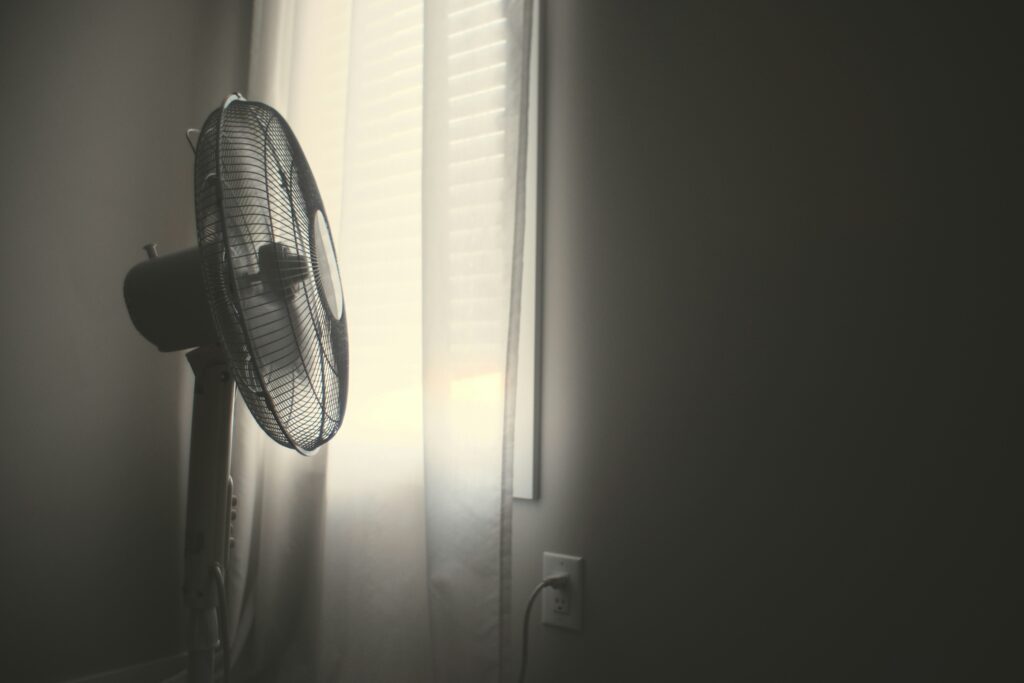
If possible, use a fan, air conditioning, or open windows during the cooler hours of the evening to improve airflow. Keeping curtains or blinds closed during the day can also help reduce heat buildup, preventing your bedroom from becoming uncomfortably warm by bedtime.
Even a small drop in room temperature can improve comfort and help your body regulate its temperature more efficiently, leading to deeper and less interrupted sleep.
Quick Tip
Cool your bedroom before you go to bed by closing curtains during the day, opening windows when the outside temperature drops, or using a fan or air conditioner to improve airflow. Even lowering the room temperature by a few degrees can make it easier to fall asleep and stay asleep.
2. Use Lightweight and Breathable Bedding
The type of bedding you use can make a big difference on hot summer nights. Heavy blankets and thick fabrics tend to trap body heat, making it harder for your body to cool down and stay comfortable while you sleep.
Choosing lightweight, breathable materials such as cotton, linen, or bamboo can improve airflow and help release excess heat more effectively. These fabrics also absorb moisture better than many synthetic materials, which can help reduce the discomfort of sweating during the night.
Switching to season-appropriate bedding is a simple change, but many people notice that it helps them sleep more comfortably and wake up less often during periods of hot weather.
Quick Tip
Swap heavy duvets and synthetic bedding for lightweight, breathable sheets during the warmer months. If you still feel too warm, consider using a lighter summer duvet or sleeping with only a sheet on particularly hot nights.
3. Take a Lukewarm Shower Before Bed
Taking a lukewarm shower before bedtime can help your body cool down naturally and make it easier to fall asleep. Since your core body temperature needs to decrease before you can drift off, a lukewarm shower can support this natural process.
After you step out of the shower, your body gradually loses heat as the water evaporates from your skin. This cooling effect can help you feel more comfortable, especially on warm summer evenings when falling asleep feels difficult.
While it may be tempting to take a very cold shower, it’s usually better to avoid extreme temperatures. Cold water can stimulate your nervous system and make you feel more alert, which may make it harder to relax before bed.
Quick Tip
Take a 5 to 10-minute lukewarm shower about 30 to 60 minutes before bedtime. This gives your body enough time to cool down naturally and can help you fall asleep more comfortably on hot nights.

4. Stay Hydrated Throughout the Day
Staying well hydrated helps your body regulate its temperature more effectively, which becomes especially important during hot weather. When you’re dehydrated, your body may have a harder time cooling itself, increasing the likelihood of feeling overheated and uncomfortable at night.
Try to drink enough water consistently throughout the day rather than waiting until the evening. This gives your body time to stay hydrated without having to process large amounts of fluid just before bedtime.
While it’s important to stay hydrated, drinking too much right before bed may increase the need to get up during the night to use the bathroom, which can interrupt your sleep.
Quick Tip
Aim to drink water regularly throughout the day and reduce your intake during the last hour before bedtime. If you’ve been sweating a lot due to the heat, replacing fluids earlier in the evening may also help you stay comfortable overnight.
5. Avoid Alcohol Before Bed
Although alcohol may make you feel sleepy at first, it can actually reduce your overall sleep quality. As your body processes alcohol during the night, you’re more likely to experience fragmented sleep and spend less time in the deeper, more restorative stages of sleep.
On hot nights, alcohol may also make it harder for your body to regulate its temperature effectively. Combined with warm weather, this can increase feelings of overheating, night sweats, and frequent awakenings, leaving you feeling less refreshed the next morning.
If you enjoy an occasional drink, consider having it earlier in the evening rather than close to bedtime to reduce its impact on your sleep.
Quick Tip
Try to avoid drinking alcohol within two to three hours of bedtime, especially during periods of hot weather. Replacing an evening alcoholic drink with water or a caffeine-free herbal tea may help you sleep more comfortably through the night.
6. Wear Breathable Sleepwear
What you wear to bed can have a surprising impact on how comfortable you feel during hot nights. Heavy or tight-fitting sleepwear can trap body heat, making it more difficult for your body to cool down and maintain a comfortable sleeping temperature.
Choosing loose-fitting pajamas made from breathable fabrics such as cotton, linen, or bamboo allows air to circulate more freely around your body. These materials can also help wick away moisture, reducing the discomfort caused by sweating during the night.
If your bedroom stays particularly warm, wearing lighter sleepwear—or sleeping with fewer layers if you’re comfortable doing so—may help improve your overall sleep quality.
QuickTip
Choose loose-fitting sleepwear made from breathable natural fabrics instead of synthetic materials. On especially hot nights, lighter clothing or fewer layers may help you stay cooler and sleep more comfortably.
7. Consider Using a Cooling Pillow
Your head and neck play an important role in regulating body temperature while you sleep. If your pillow retains too much heat, it can make you feel warmer and less comfortable throughout the night, increasing the likelihood of waking up feeling overheated.
Cooling pillows or pillows made from breathable materials are designed to improve airflow and reduce heat buildup around your head and neck. While they won’t cool an entire room, many people find they provide additional comfort during warm summer nights.
If you regularly struggle to sleep because you feel too hot, switching to a more breathable pillow may be one simple change worth considering.
Quick Tip
If your pillow feels warm shortly after you lie down, consider switching to a breathable or cooling pillow designed for hot sleepers. It may help you stay more comfortable and reduce heat buildup around your head and neck during the night.

8. Improve Air Circulation
Good air circulation can make a warm bedroom feel much more comfortable, even if the temperature doesn’t drop significantly. Moving air helps sweat evaporate from your skin more efficiently, allowing your body to cool itself naturally throughout the night.
Using a fan or opening windows during the cooler evening hours can improve airflow and reduce the feeling of stagnant, warm air in your bedroom. If the outdoor temperature is lower than indoors, fresh air may also help lower the room temperature before you go to bed.
Improving air circulation won’t eliminate the heat, but it can make it easier for your body to regulate its temperature and reduce the discomfort that often interrupts sleep on hot nights.
Quick Tip
Use a fan to keep air moving while you sleep, or open your windows in the evening if the outside air is cooler. Placing a fan near an open window can also help draw cooler air into your bedroom and push warm air out.
9. Adjust Your Sleep Position
The way you sleep can also influence how warm or cool you feel during the night. While your sleeping position won’t change the temperature of your bedroom, it can affect how easily your body releases heat.
Sleeping with your arms and legs slightly apart allows more air to circulate around your body, which may help heat dissipate more efficiently. In contrast, curling up tightly under heavy bedding can trap body heat and make you feel warmer, especially on hot summer nights.
Although changing your sleep position isn’t a complete solution, combining it with other cooling strategies can help you stay more comfortable and reduce nighttime overheating.
Quick Tip
If you tend to feel too warm at night, try sleeping with fewer layers and avoid curling up tightly under heavy blankets. Giving your body more space for airflow may help you stay cooler and sleep more comfortably.
When To See A Doctor
Difficulty sleeping during hot weather is common and usually improves once temperatures become cooler. If your sleep problems only occur during heat waves or on particularly warm nights, they’re unlikely to be a sign of a serious underlying condition.
However, if you regularly struggle to sleep regardless of the temperature, or frequently experience severe night sweats, chronic insomnia, loud snoring, gasping for air during sleep, or excessive daytime fatigue, it’s a good idea to speak with a healthcare professional. These symptoms may be related to an underlying sleep disorder or another medical condition that requires evaluation.
A doctor can help identify possible causes and recommend appropriate treatment if your sleep problems continue despite improving your sleep environment and practicing healthy sleep habits.
FAQ About Sleeping in Hot Weather
Why is it harder to sleep in hot weather?
Hot weather makes it more difficult for your body to lower its core temperature before sleep. Since this natural cooling process helps trigger sleep, excessive heat can make it harder to fall asleep, stay asleep, and spend enough time in deep, restorative sleep.
What is the best room temperature for sleep?
Most experts recommend keeping your bedroom between 16°C and 19°C (60°F to 67°F) for optimal sleep. If that’s not possible during hot weather, improving airflow with fans, breathable bedding, and lightweight sleepwear can still help you sleep more comfortably.
Does a fan help you sleep in hot weather?
Yes. A fan doesn’t actually lower the room temperature, but it improves air circulation and helps sweat evaporate from your skin. This natural cooling effect can make you feel more comfortable and reduce overheating during the night.
Why do I wake up feeling hot at night?
You may wake up feeling hot because your bedroom is too warm, your bedding traps heat, or your body is struggling to regulate its temperature. Alcohol, dehydration, humidity, and certain medical conditions can also contribute to overheating during sleep.
Is it okay to sleep with the window open?
If the outside air is cooler than your bedroom and it’s safe to do so, sleeping with the window open can improve airflow and help reduce indoor temperatures. However, if the outside air is hotter or very humid, keeping windows closed during the day and opening them later in the evening may work better.
Can dehydration affect sleep during hot weather?
Yes. Dehydration may make it harder for your body to regulate its temperature effectively, increasing feelings of overheating and discomfort. Drinking enough water throughout the day can help support your body’s natural cooling system.
Should I sleep with a blanket in hot weather?
Many people sleep more comfortably with a lightweight sheet or a breathable summer duvet instead of a heavy blanket. Using lightweight bedding can help reduce heat buildup while still providing enough comfort for restful sleep.
Can hot weather cause insomnia?
Hot weather doesn’t usually cause chronic insomnia, but it can temporarily make it harder to fall asleep or stay asleep. If your sleep problems continue even after temperatures return to normal, it may be worth discussing your symptoms with a healthcare professional.
Final Thoughts
Sleeping in hot weather can make even the best bedtime routine feel like a challenge. When your body has difficulty cooling down, it may take longer to fall asleep, cause you to wake up more often during the night, and leave you feeling less refreshed in the morning.
Fortunately, a few simple changes can make a noticeable difference. Keeping your bedroom as cool as possible, improving air circulation, choosing breathable bedding, and staying hydrated can all help your body regulate its temperature more effectively and improve your overall sleep comfort.
Remember that you don’t have to try every tip at once. Start with one or two changes that fit your situation, and gradually build a sleep environment that helps you stay cool throughout the night.
If you’re looking for more ways to improve your sleep beyond hot weather, explore our Sleep Better Naturally guide for practical tips and healthy habits that can help you enjoy deeper, more restful sleep all year round.